

The Montessori method is more than an educational approach—it is a philosophy that prioritizes the holistic development of the child. At the core of this philosophy is the Montessori curriculum, which encompasses five interconnected areas: Language, Sensorial, Math, Practical Life, and Cultural activities. Together, these areas create a dynamic, hands-on learning experience that nurtures intellectual, physical, emotional, and social growth. This comprehensive approach ensures that children develop not only academically but also as well-rounded, confident, and curious individuals.
The Five Areas of the Montessori Curriculum
- Language Language is central to communication, self-expression, and learning in every discipline. In the Montessori curriculum, the language area is carefully designed to nurture a child’s ability to read, write, and articulate thoughts effectively.
- Early Development: Activities like sandpaper letters help children associate symbols with sounds, laying the foundation for reading and writing.
- Progression to Literacy: Children move from phonetics to constructing words and sentences, eventually reading and comprehending text independently.
- Beyond Language Mechanics: Storytelling, poetry, and conversations enrich vocabulary, grammar, and creative thinking.
- The Montessori approach to language builds confidence and fluency, fostering a love for words and communication.
- Sensorial The sensorial area helps children refine their senses and develop cognitive skills through purposeful exploration. By engaging sight, touch, sound, smell, and taste, children learn to classify, compare, and organize their experiences.
- Activities: Materials like the Pink Tower, Color Tablets, and Sound Cylinders teach concepts such as size, color, texture, and pitch.
- Building Cognitive Skills: These hands-on activities enhance concentration, memory, and problem-solving abilities.
- Connection to Other Areas: Sensorial exploration prepares children for math, language, and scientific inquiry.
- Sensorial education not only sharpens the senses but also deepens children’s understanding of the world around them.
- Math The Montessori math curriculum introduces abstract concepts in a concrete and visual way, making learning intuitive and enjoyable.
- Foundation: Materials like number rods and golden beads teach counting, addition, subtraction, multiplication, and division.
- Progression: Children move from tangible manipulatives to abstract problem-solving as they gain confidence.
- Practical Applications: Geometry, fractions, and measurement are introduced through real-world connections.
- By emphasizing understanding over memorization, Montessori math helps children develop critical thinking and a lifelong appreciation for numbers.
- Practical Life Practical Life activities connect learning to everyday experiences, fostering independence, coordination, and responsibility.
- Fine Motor Skills: Activities like pouring, buttoning, and sewing refine motor skills.
- Life Skills: Tasks such as food preparation, cleaning, and organizing teach children to care for themselves and their environment.
- Social Development: Grace and courtesy lessons build social skills, empathy, and respect.
- These activities give children a sense of purpose and confidence, laying the foundation for practical problem-solving and personal responsibility.
- Cultural Activities Cultural activities introduce children to the richness of the world, covering subjects such as geography, history, science, art, and music.
- Geography and History: Puzzle maps, timelines, and storytelling teach children about diverse cultures, historical events, and global interconnections.
- Science: Hands-on experiments and nature exploration ignite curiosity about the natural world.
- Art and Music: Creative activities foster self-expression and an appreciation for beauty.
- Through cultural education, children develop a global perspective, empathy, and a sense of wonder about the interconnectedness of life.
How the Montessori Curriculum Supports Comprehensive Development
- Cognitive Development Each area of the Montessori curriculum is designed to build cognitive skills through hands-on exploration, critical thinking, and problem-solving. This approach nurtures curiosity and prepares children for academic success.
- Physical Development Practical Life and Sensorial activities refine both gross and fine motor skills, enhancing coordination and physical confidence.
- Emotional and Social Growth Grace and courtesy lessons, group activities, and collaborative work teach children empathy, communication, and respect for others, fostering strong emotional intelligence.
- Creativity and Cultural Awareness Art, music, and cultural education inspire creativity and broaden children’s understanding of the world, encouraging them to think beyond their immediate experiences.
- Independence and Responsibility Practical Life activities teach self-care and environmental responsibility, helping children develop autonomy and a sense of accountability.
Why a Full Montessori Curriculum Matters
The full Montessori curriculum provides a balanced and interconnected approach to education. Each area reinforces and complements the others, creating a cohesive learning experience that addresses the whole child. By engaging multiple senses, fostering critical thinking, and encouraging active participation, the curriculum ensures that children develop the skills and mindset to succeed in all aspects of life.
Why Pascal Montessori?
At Pascal Montessori, we offer a comprehensive Montessori curriculum designed to nurture every aspect of a child’s development. Our experienced guides create an environment where children thrive academically, socially, and emotionally. Through the integration of Language, Sensorial, Math, Practical Life, and Cultural activities, we empower children to reach their full potential and cultivate a lifelong love for learning.
Choose Pascal Montessori—where every child’s journey is enriched by a curriculum that supports growth, curiosity, and the joy of discovery.
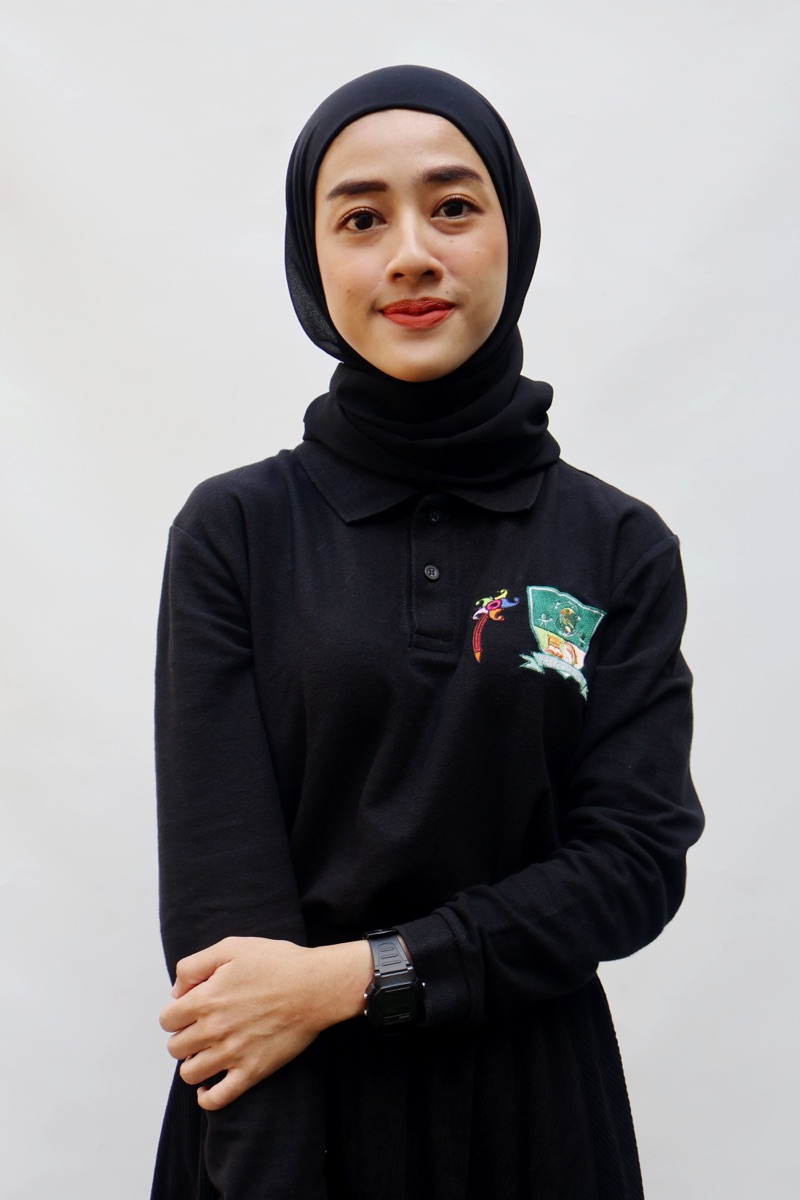
Ms.Elka
1. Bachelor of English Literature
2. Teaching from August 26, 2014
Comments are closed