Elementary School

Growing Minds for the Future.

A Montessori elementary journey where children deepen their curiosity, develop independent thinking, and learn to understand the world through exploration, reasoning, collaboration, and purposeful work.

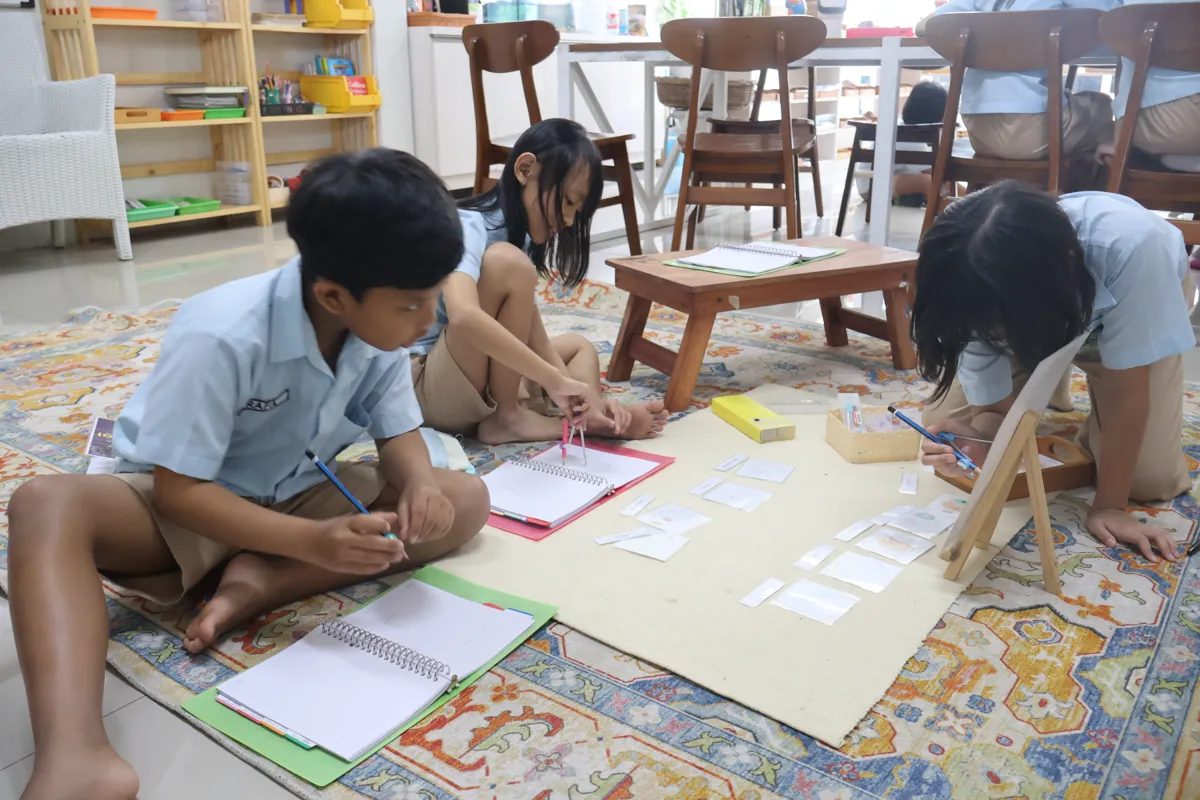
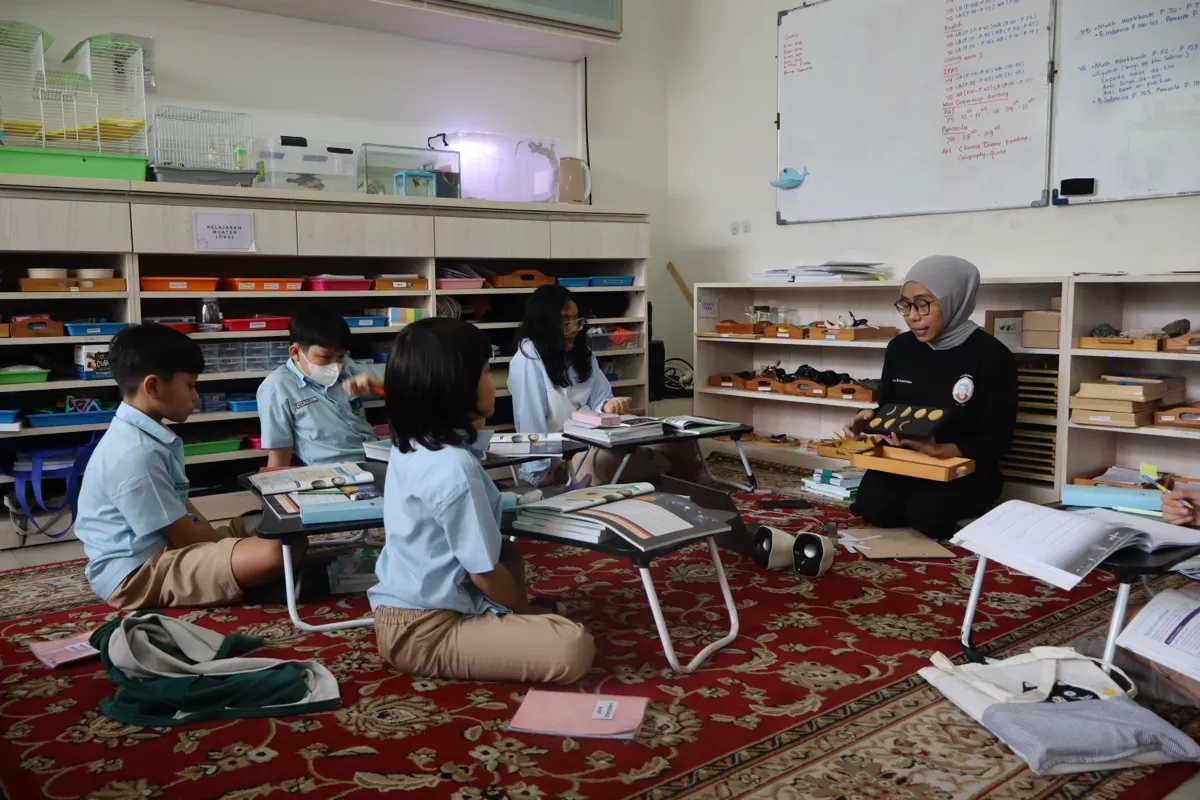
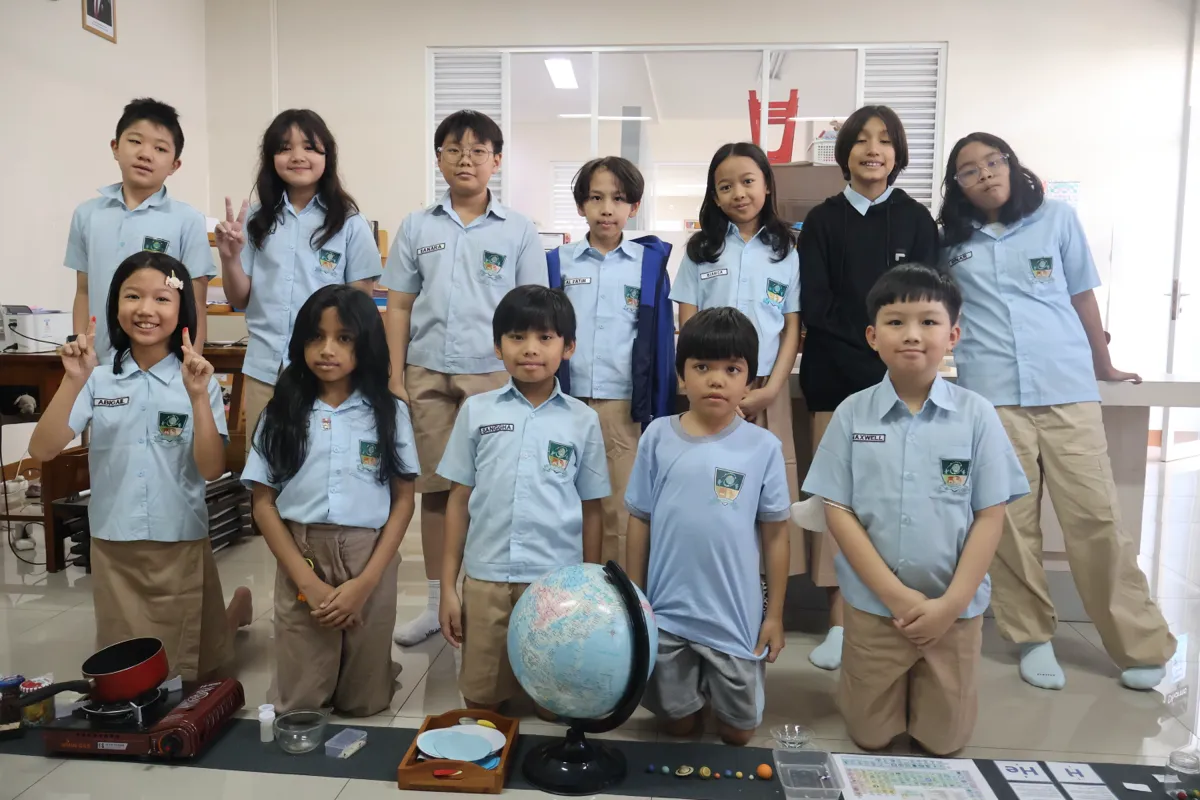
Elementary students engaged in purposeful learning at Pascal Montessori Bandung
The Elementary Years

A New Stage of Curiosity and Reasoning.

Between the ages of 6 and 12, children begin asking bigger questions, seeking deeper explanations, building stronger social relationships, and developing an increasing capacity for imagination, reasoning, and independent thought.

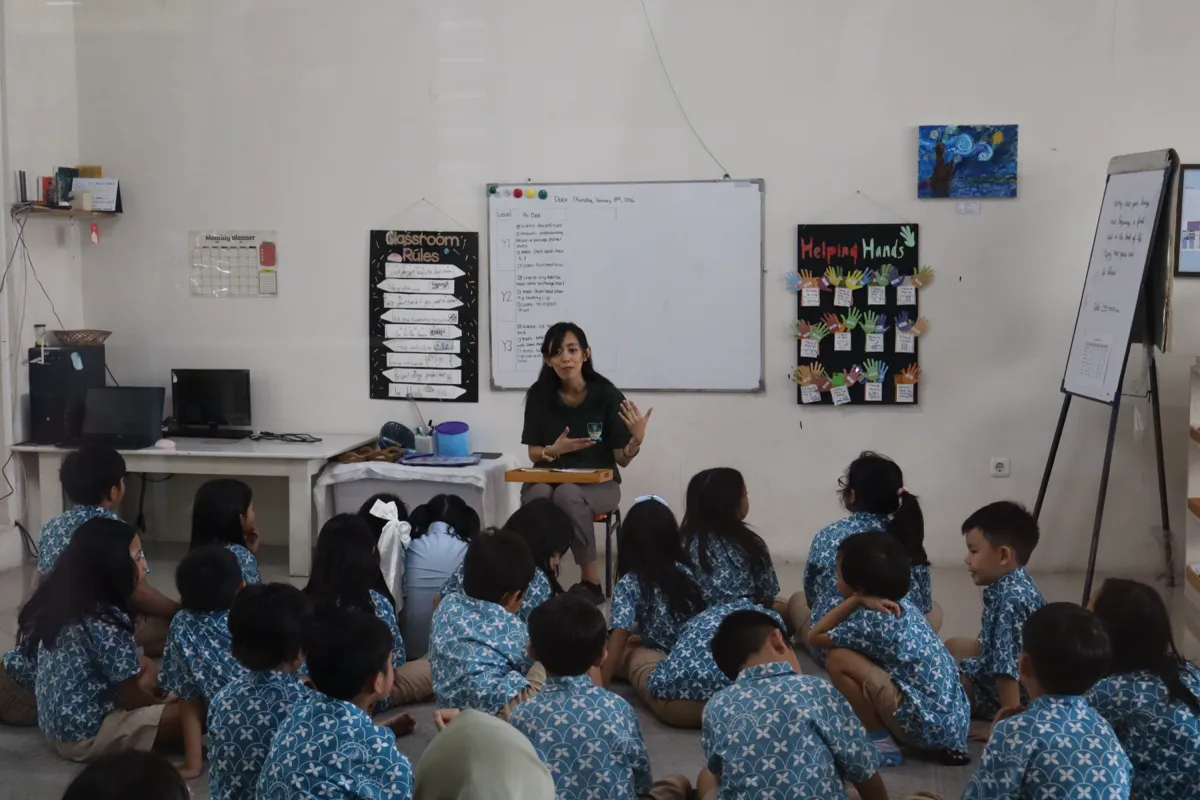
Pascal Montessori Elementary students exploring ideas and learning together
Lower Elementary 6–9 Years

Wonder, Imagination & Discovery

Children begin exploring big ideas through stories, Montessori materials, the Great Lessons, and interconnected studies that spark curiosity about the universe, life, humanity, language, mathematics, and the natural world.

  • Wonder
  • Imagination
  • Discovery
  • Foundation
  • Great Lessons
Upper Elementary 9–12 Years

Reasoning, Research & Independence

As children mature, learning becomes increasingly research-based and self-directed. Students investigate ideas more deeply, communicate their thinking, collaborate with others, and take greater responsibility for their learning.

  • Reasoning
  • Research
  • Critical Thinking
  • Independence
  • Responsibility
Across the Elementary years, children move from imaginative exploration toward increasingly independent reasoning, research, responsibility, and deeper understanding.
Why Pascal Montessori

An Environment Designed for Growing Minds.

As children grow, they need more than information. They need opportunities to think, question, collaborate, take responsibility, and discover what they are capable of.

Elementary education is about more than academic knowledge. At Pascal Montessori, learning supports the whole child by developing intellectual ability alongside emotional awareness, social confidence, physical development, creativity, and an increasing sense of responsibility.

  • Intellectual
  • Emotional
  • Social
  • Physical
  • Creative

Every child develops differently. Through careful observation, educators consider each student's readiness, interests, pace, strengths, and emerging needs. Children receive meaningful challenges at an appropriate level while still having time to investigate ideas deeply and develop genuine understanding.

  • Individual Pace
  • Readiness
  • Interests
  • Observation
  • Purposeful Challenge

Children build confidence by experiencing real capability. They make meaningful choices, organise their work, manage responsibilities, solve problems, and gradually learn to rely on their own judgement. Independence grows through practice, not simply through encouragement.

  • Choice
  • Responsibility
  • Self-Management
  • Problem Solving
  • Confidence

The learning environment is intentionally organised, accessible, calm, and purposeful. Materials and resources are arranged so students can work with increasing independence, maintain concentration, make productive choices, and take responsibility for shared spaces.

  • Organised
  • Accessible
  • Purposeful
  • Concentration
  • Independence

The classroom is also a community. Children practise cooperation, communication, empathy, conflict resolution, cultural awareness, and respect for different perspectives. Everyday interactions become opportunities to understand how individual choices affect other people.

  • Community
  • Cooperation
  • Empathy
  • Respect
  • Cultural Awareness

Montessori educators work as observers, facilitators, and mentors. They introduce ideas and materials thoughtfully, monitor progress, ask purposeful questions, and provide new challenges when students are ready—while allowing children increasing ownership of their learning.

  • Observer
  • Facilitator
  • Mentor
  • Purposeful Guidance

Preparation for the future is not about predicting exactly what children will need to know. It is about helping them become capable learners who can investigate, communicate, solve unfamiliar problems, adapt when circumstances change, work with others, and continue learning independently.

  • Critical Thinking
  • Problem Solving
  • Collaboration
  • Adaptability
  • Communication
  • Independent Learning
The goal is not simply to give children more information, but to help them become increasingly capable of thinking, learning, contributing, and taking responsibility for themselves.
The Elementary Curriculum

From Exploration to Deeper Understanding.

Elementary children are ready to connect ideas, ask deeper questions, investigate patterns, and understand how different areas of knowledge relate to one another.

01

Mathematics

Building strong mathematical understanding through concrete materials before progressing toward increasingly abstract concepts.

02

Language

Reading, writing, grammar, vocabulary, literature, and communication become tools for expressing ideas and exploring every area of learning.

03

Cultural Studies

Geography, history, botany, zoology, anthropology, civics, economics, peace, and the interconnected world.

04

Science

Observation, experimentation, questioning, and investigation help children understand the physical and natural world.

05

Practical Life & Community

Organisation, responsibility, time management, collaboration, community participation, and care for shared environments.

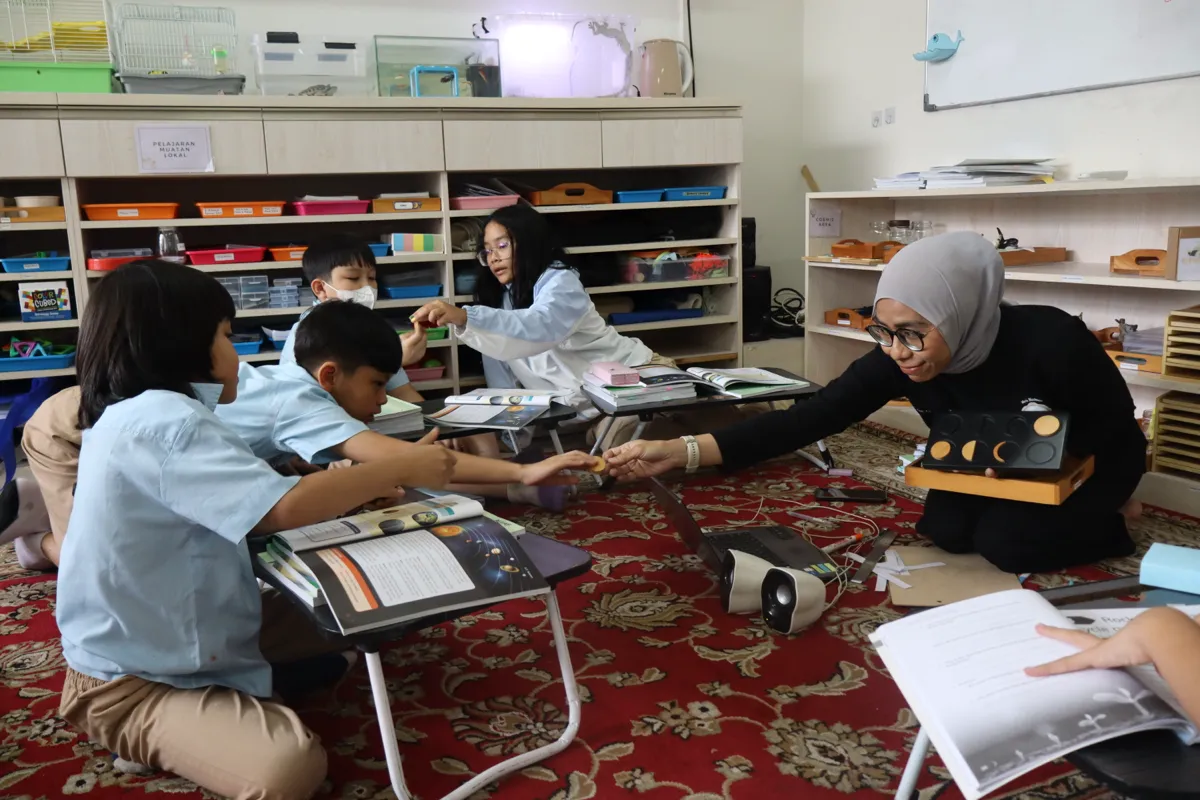
Hands-on Montessori materials supporting concrete learning in the Pascal Montessori Elementary curriculum
Concrete Learning
Montessori Materials

Children build understanding through hands-on experience before moving toward abstraction.

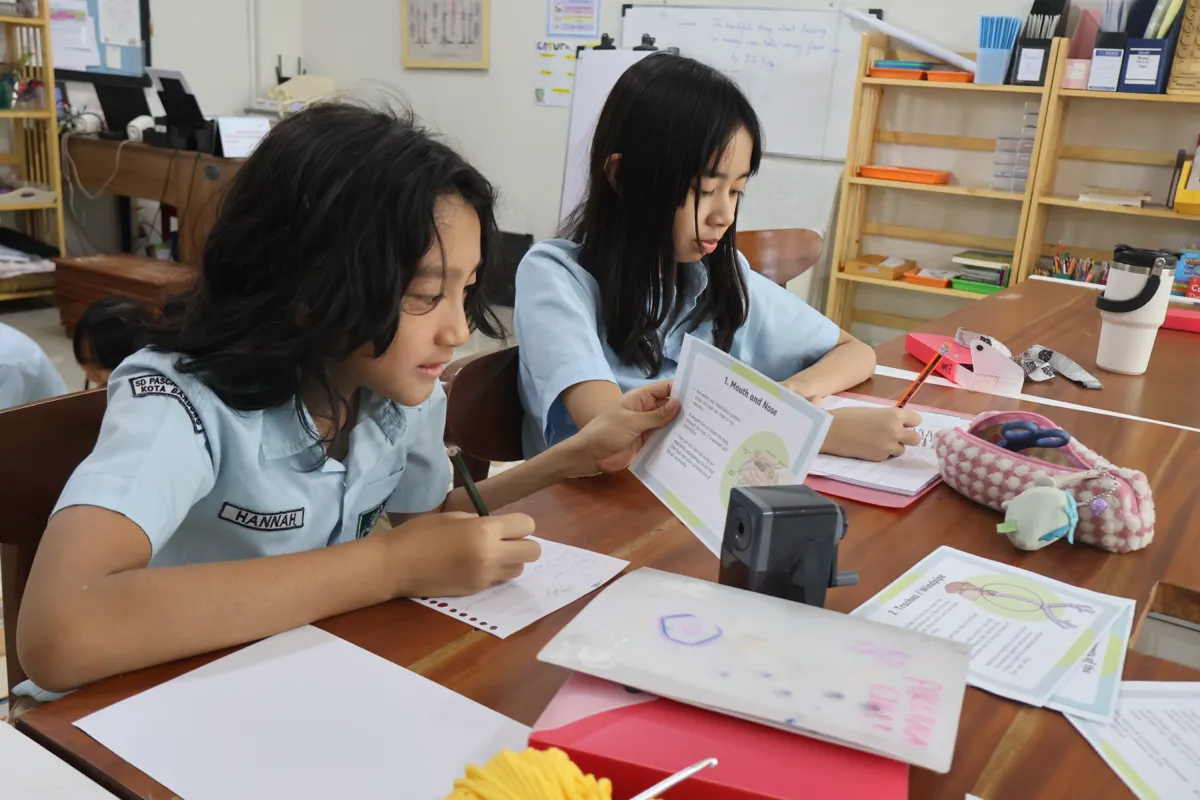
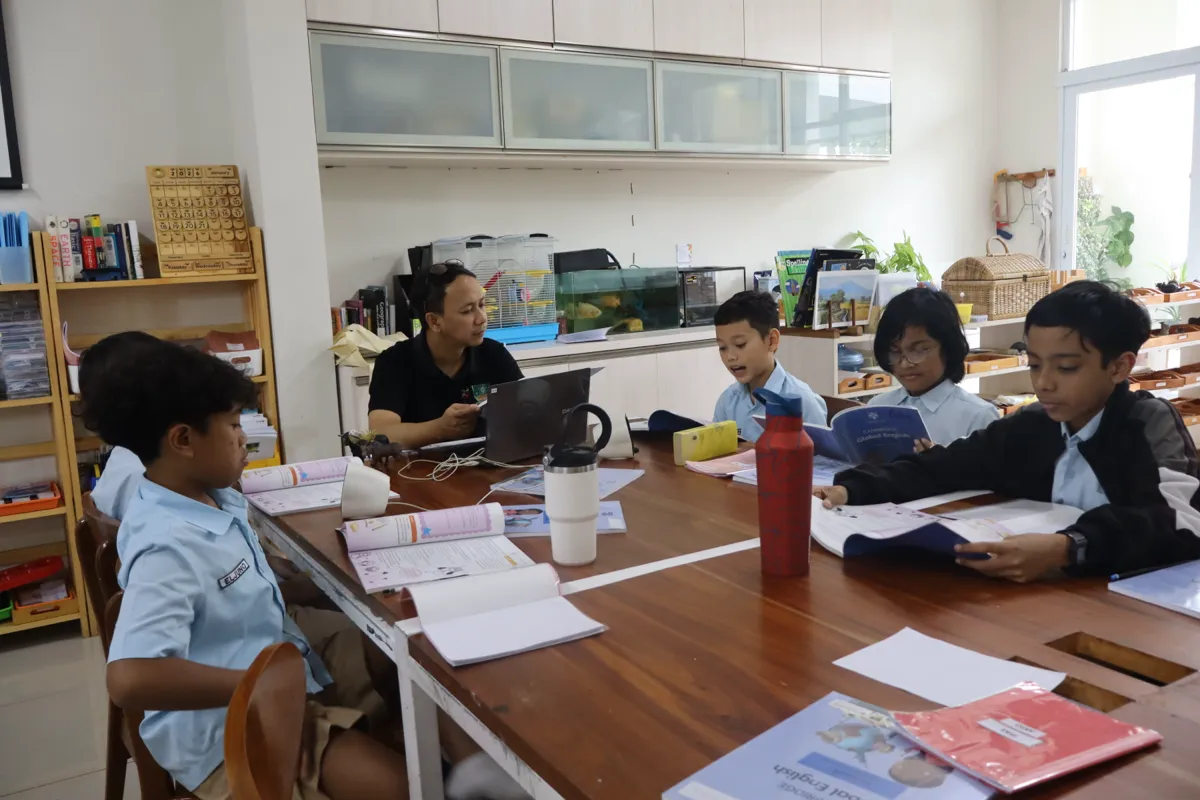
Elementary students engaged in research, writing, and collaborative learning at Pascal Montessori
Research & Inquiry
Deeper Investigation

As children grow, learning becomes more reflective, research-based, and connected across subjects.

Curriculum Foundation

The Great Lessons

The Great Lessons introduce children to big questions about the universe, life on Earth, human development, language, and mathematics— providing a framework that inspires further investigation across the curriculum.

How Learning Progresses

Concrete → Abstract

Montessori materials are not an end in themselves. They are a bridge that helps children move from direct experience toward increasingly abstract understanding and independent reasoning.

Experience
Concrete Materials
Understanding
Reasoning
Abstract Thinking
A Day at Pascal

Learning with Purpose, Responsibility and Discovery.

Each day brings together focused academic work, independent learning, collaboration, inquiry, movement, creativity, and meaningful participation in the school community.

  1. Begin with Intention

    Connect & Prepare

    Morning Circle, school routines, reflection, and preparation help students begin the day with awareness, connection, and a clear sense of purpose.

  2. Focus & Independence

    Montessori Work

    Focused academic work, Montessori materials, independent learning, and individual or small-group guidance give students time to develop concentration and deeper understanding.

  3. Inquiry & Understanding

    Think & Discover

    Mathematics, language, science, cultural studies, research, reading, and inquiry encourage students to ask questions, connect ideas, and investigate the world more deeply.

  4. Responsibility & Community

    Lead & Collaborate

    Leadership, group work, communication, responsibility, and contribution to the classroom community help students understand that learning also happens through working meaningfully with others.

  5. Whole-Child Experience

    Move & Create

    Physical education, music, art, Nature Walk, Practical Life, and creative experiences provide opportunities for movement, expression, observation, and learning beyond academic work.

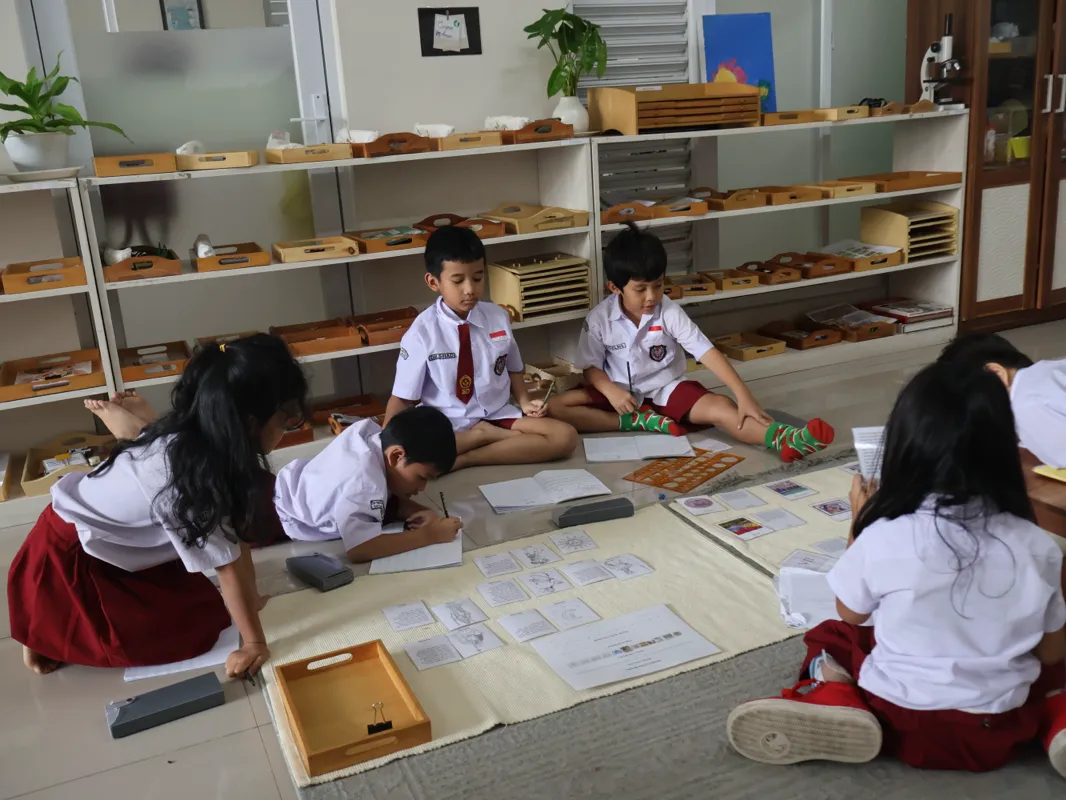
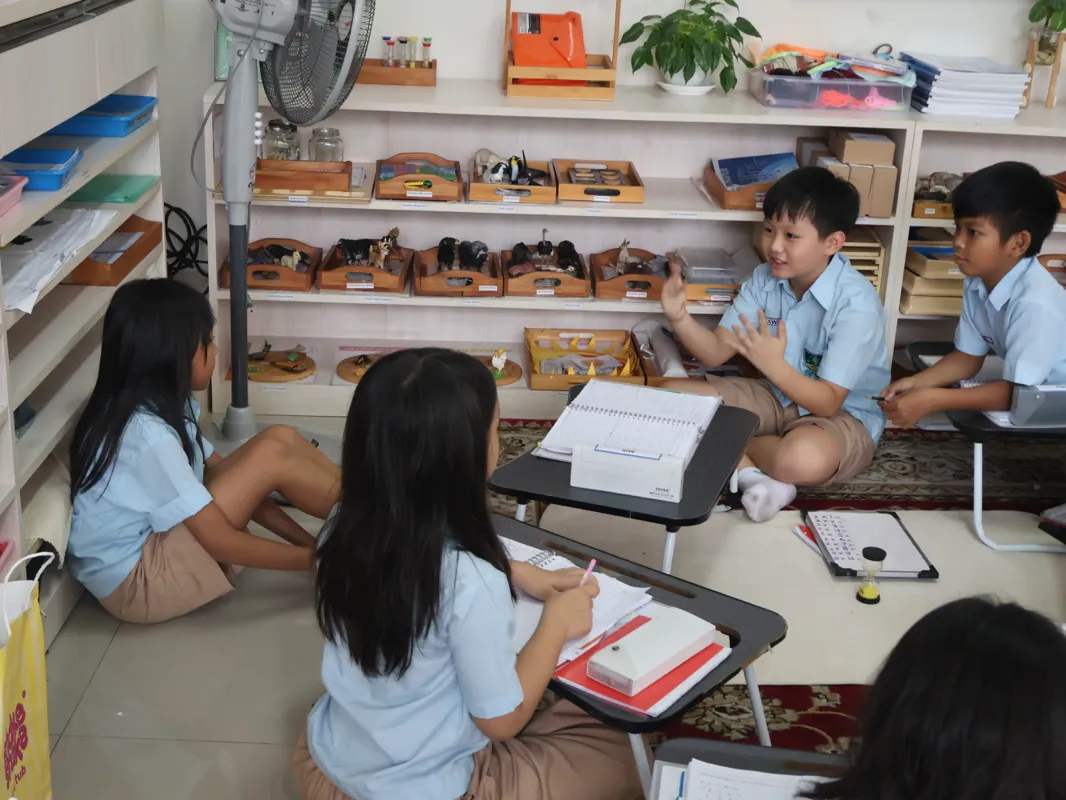
Elementary students engaged in purposeful learning at Pascal Montessori
Experiences vary throughout the week according to the learning program, projects, community activities, and developmental needs of the students.
Learning in Action

Learning in Action.

Moments of inquiry, concentration, collaboration, responsibility, and discovery.

Experience Pascal Montessori

See How Your Child Could Grow Here.

Pascal Montessori Elementary is more than a place to learn academic subjects. It is a community where children are encouraged to think deeply, grow independently, collaborate with others, and discover their place in a wider world.

It’s More Than Just a School.

The best way to understand the experience is to see it in person.