

At Pascal Montessori, the role of the teacher is reimagined as a guide and facilitator, aligning with the Montessori philosophy of empowering children to become active participants in their learning journey. This approach shifts the traditional model of instruction to one that supports exploration, independence, and self-discovery. By providing individualized support and creating opportunities for growth, Pascal Montessori ensures that each child’s learning experience is both enriching and empowering.
The Role of the Guide in Montessori Education
In Montessori classrooms, teachers are not authoritative figures who dictate what and how children should learn. Instead, they serve as guides who observe, introduce, and facilitate. This approach fosters a respectful and collaborative relationship between the child and the teacher, allowing the child’s natural curiosity to lead the way.
The guide’s role can be summarized in three key aspects:
- Individualized Support
Guides tailor their interactions and lessons to each child’s unique needs, interests, and developmental stage, ensuring a personalized learning experience. - Introducing New Concepts
Guides present new materials and activities at the right time, sparking curiosity and providing the tools for children to take their learning further. - Facilitating Self-Discovery
Rather than providing answers, guides encourage children to explore, ask questions, and find solutions independently, fostering critical thinking and problem-solving skills.
How Pascal Montessori Guides and Facilitates Learning
- Observing and Understanding
The process begins with careful observation. Guides at Pascal Montessori take the time to understand each child’s strengths, challenges, and interests. This insight allows them to provide meaningful guidance and support tailored to the child’s individual learning journey. - Introducing Materials and Activities
- Purposeful Presentation: Guides introduce Montessori materials with clear, hands-on demonstrations, ensuring children understand how to use them effectively.
- Timely Introductions: New concepts are introduced when the child is ready, neither rushing nor holding back their progress.
- Encouraging Independence
Guides step back after presenting materials, allowing children the freedom to explore and practice independently. They trust in the child’s ability to learn through trial and error, stepping in only when necessary to provide support or encouragement. - Facilitating Group Dynamics
In Montessori classrooms, mixed-age groups encourage collaboration and peer learning. Guides facilitate group interactions, ensuring respect, cooperation, and a harmonious learning environment. - Providing Gentle Guidance
- Supporting Problem-Solving: Rather than offering direct solutions, guides encourage children to think critically and explore possibilities.
- Encouraging Reflection: Guides ask open-ended questions that help children reflect on their experiences and deepen their understanding.
- Balancing Freedom and Structure
Montessori education thrives on the balance between freedom and structure. Guides at Pascal Montessori ensure that children have the autonomy to make choices while maintaining a structured framework that supports focus and responsibility.
Benefits of Guided Learning in Montessori Education
- Fosters Independence
By encouraging self-directed exploration, children develop confidence in their abilities and learn to take ownership of their education. - Builds Critical Thinking Skills
Guides nurture a problem-solving mindset by encouraging curiosity and inquiry, helping children become resourceful and adaptable thinkers. - Supports Individual Growth
Individualized guidance ensures that each child’s unique needs and potential are addressed, allowing them to progress at their own pace. - Enhances Emotional and Social Development
Through facilitation, guides help children navigate social interactions, resolve conflicts, and build meaningful relationships in a supportive environment. - Promotes a Love for Learning
The non-intrusive, encouraging approach of guides helps children associate learning with joy, curiosity, and discovery rather than pressure or stress.
Guides as Catalysts for Lifelong Learning
At Pascal Montessori, guides play a pivotal role in laying the foundation for lifelong learning. By fostering independence, curiosity, and resilience, they prepare children to navigate the challenges and opportunities of life with confidence and enthusiasm.
Guides serve as catalysts for growth, empowering children to become self-motivated learners who view challenges as opportunities and approach the world with open minds and hearts.
Why Choose Pascal Montessori?
At Pascal Montessori, our guides are highly trained and deeply committed to nurturing each child’s potential. By providing individualized support, introducing innovative materials, and gently facilitating learning, they create an environment where children flourish academically, socially, and emotionally.
Experience the difference of a Montessori guide—where support meets independence, and every child’s potential is realized.
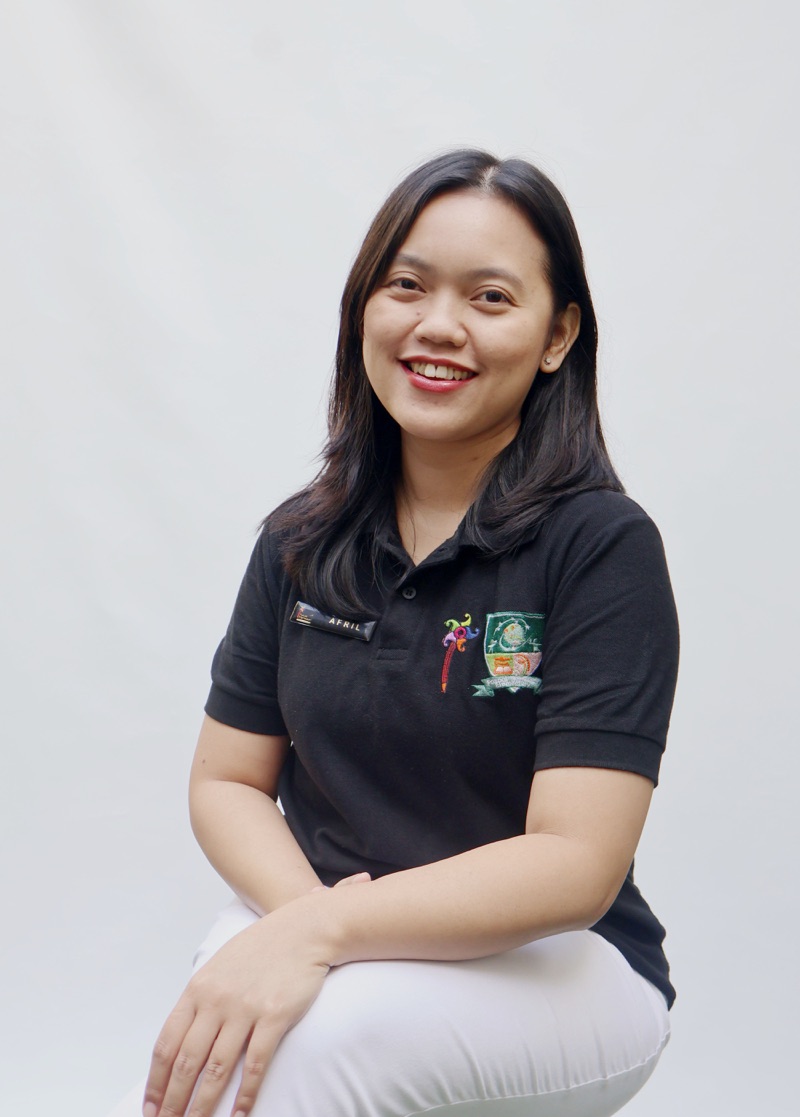
Ms. Afril
1. Bachelor of Japanese Language Education
2. Teaching since June 01, 2015
Comments are closed