
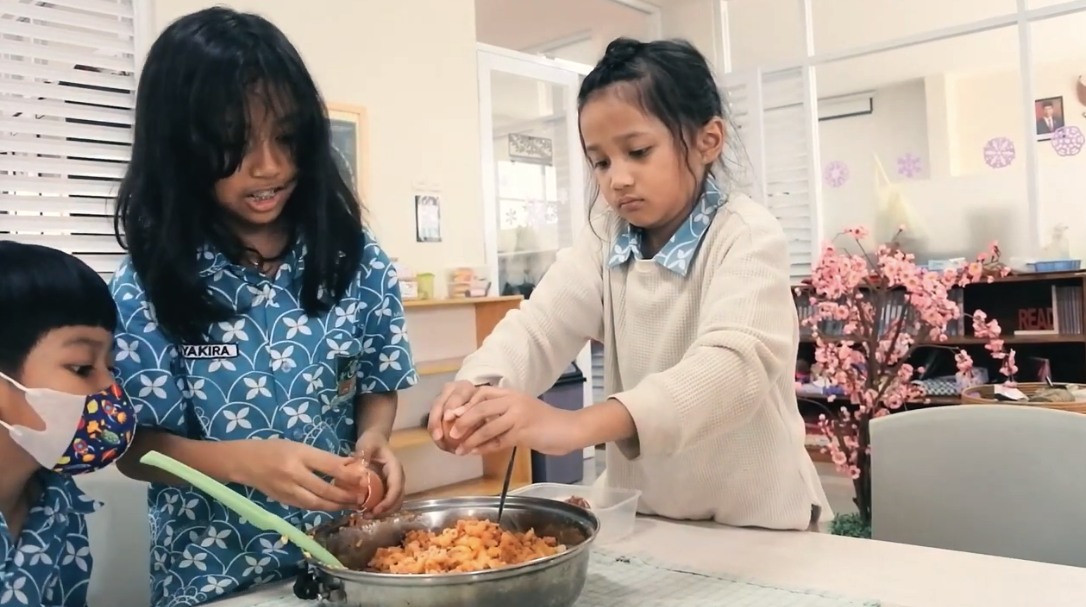
Pascal Montessori Elementary School recently launched an inspiring charity program, the Economy Project of Christmas Charity, where students took the lead in organizing and executing a series of activities aimed at supporting those in need during the holiday season. This hands-on initiative combined learning with compassion, as the elementary students managed every aspect of the project, from recipe research to profit counting.
Empowering Students through Real-World Experience
The core goal of the program was to teach students about the economy in a practical way. By organizing a Christmas charity event that involved making food for sale, the students were given the opportunity to engage in various real-world activities, each contributing to the success of the project.
- Researching Recipes The first step in the project was researching and selecting recipes that would not only be festive and appealing but also feasible for the students to prepare. In this phase, the students learned about the importance of balancing taste, nutrition, and cost-efficiency, which are key factors in running a food-based charity project.
- Cooking the Food After finalizing the recipes, the students moved on to the cooking process. Under the supervision of their teachers, they learned how to follow instructions, manage time in the kitchen, and work as a team. This hands-on experience allowed them to develop culinary skills while also understanding the logistics of preparing food for a larger audience.
- Money Calculation and Budgeting The financial aspect of the project was a major learning opportunity. Students worked together to calculate the costs of ingredients, estimate the selling price of each food item, and ensure that they stayed within budget. They also calculated the expected profit margin, a crucial element in determining how much of the proceeds could be donated to charity.
- Product Design Another creative element of the project was designing the product packaging. The students worked on developing attractive, eco-friendly packaging for the food items, which added a personal touch to the products. This activity allowed them to apply design thinking and learn about the importance of branding and presentation in a business context.
- Distribution and Sales With the products ready, the students took responsibility for the distribution and sales. They set up booths at the school and local community events, where they interacted with customers and managed the selling process. This gave them a chance to practice customer service, communication skills, and teamwork.
- Profit Counting and Donation Finally, after all the sales were completed, the students tallied the profits. The majority of the funds raised were donated to a local charity, while a small portion was reinvested into the program for future educational projects. This aspect of the project reinforced the values of giving back to the community and understanding the social impact of charitable work.
A Holiday Tradition of Giving
The Economy Project of Christmas Charity is not just an educational program; it is a powerful reminder of the importance of kindness, teamwork, and community support. Through this initiative, Pascal Montessori Elementary students not only learned practical skills in economics, business, and design, but also the value of helping others during the holiday season. The project has become a heartwarming tradition that teaches students that giving is an essential part of the holiday spirit, and every small contribution can make a big difference.
By the end of the project, the students had not only achieved their goal of raising funds for charity but also gained invaluable life lessons that will serve them well in the future. Pascal Montessori Elementary continues to inspire young minds to think critically, act compassionately, and lead with purpose, making this annual charity project a shining example of the school’s commitment to nurturing responsible and empathetic global citizens.

Testing
Comments are closed