
Every parent dreams of a future where their child grows into a resilient, capable, and confident individual who can navigate the world with a strong sense of self. This journey doesn’t begin with academic lessons or formal training; it starts much earlier, in the small, everyday moments at home. The secret lies in a simple but powerful concept: fostering independence.
Building independence isn’t about pushing children to grow up too fast or leaving them to fend for themselves. Instead, it is the delicate art of providing them with the trust, space, and opportunity to try, to learn, and to feel the profound pride of their own accomplishments. By adopting this mindset, we give our children the greatest gift of all: the unshakeable belief in their own abilities.
An Invitation to Participate: Age-Appropriate Tasks
The path to independence begins with simple, age-appropriate tasks. Think of these not as chores, but as “invitations” for your child to actively participate in the life of the family. This approach, a cornerstone of Montessori education, empowers children and makes them feel like valued, contributing members of the household.
- For Toddlers (Ages 2-3): The world is a giant puzzle, and they are eager to figure it out. Invite them to master simple, one-step tasks. This could be putting their toys back into a box, placing their dirty clothes in a hamper, or trying to put on their own shoes. Each successfully completed task, no matter how small, builds a foundation of self-confidence.
- For Preschoolers (Ages 4-5): As their coordination and understanding grow, their involvement can too. They can be given the responsibility of helping to water plants, setting napkins on the dinner table, or choosing their own outfit for the day (from two parent-approved options, to avoid overwhelm). These tasks teach responsibility and decision-making in a safe and supportive context.
The Power of Words: Using Positive and Empowering Language
The language we use has a tremendous impact on how our children see themselves and the world. To foster independence, it’s crucial to shift from prohibitive language to positive, guiding language. Instead of focusing on what a child shouldn’t do, explain what they can do.
Consider this common scenario:
- Instead of saying, “Don’t run in the house!”
- Try a gentle and clear alternative: “In the house, we use our walking feet. When we go to the park later, you can run as fast as you like.”
The first phrase is simply a command that can create a feeling of being reprimanded. The second, however, is a respectful lesson. It teaches context, self-regulation, and responsible decision-making without shaming the child’s natural desire to move. This approach sends a powerful underlying message: “I trust you to understand and make good choices.”
Celebrating Effort Over Perfection
Perhaps the most challenging, yet most important, part of fostering independence is learning to celebrate the process rather than demanding a perfect result. This is where true growth happens. There will be spills when they try to pour their own water, buttons will be mismatched, and beds will be made with crumpled blankets.
It is our reaction in these moments that matters most. Instead of rushing to correct the mistake, take a breath and see the “imperfection” for what it truly is: a “badge of courage” for having tried.
When your child makes a mistake, resist the urge to immediately take over. Instead, offer gentle support: “Oops, the button went into the wrong hole. Would you like to try again, or would you like a little help?”. This response teaches resilience. It shows them that mistakes are a normal and essential part of learning, not something to be feared or ashamed of. By praising their effort—”I love how hard you tried to button your shirt yourself!”—we reinforce the value of perseverance over perfection.
Choosing a School That Shares Your Values
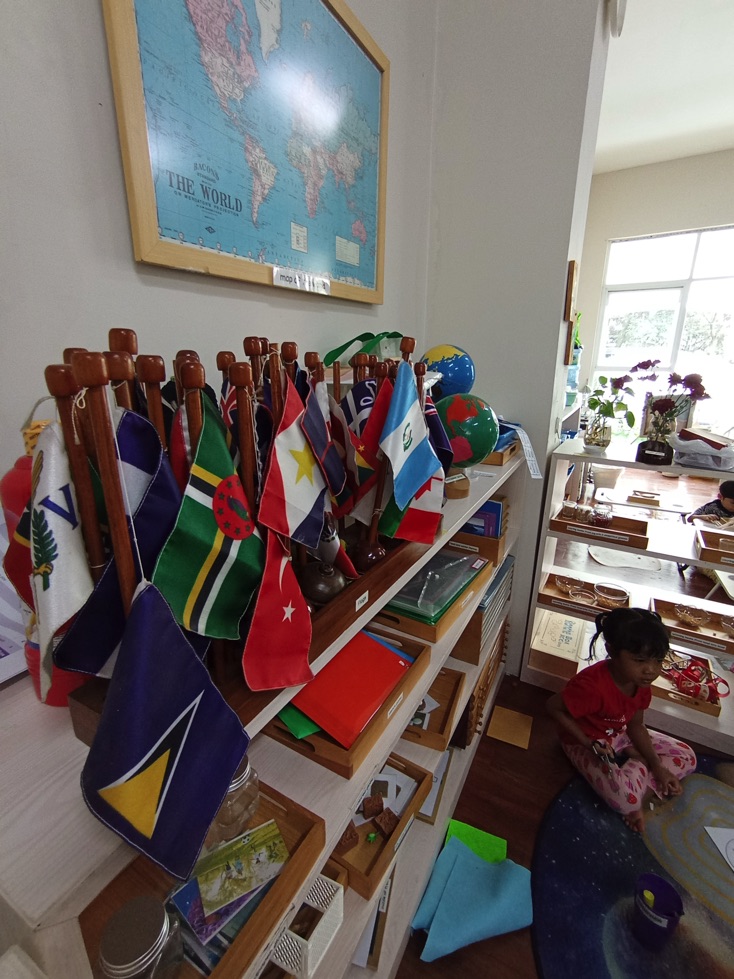
Instilling these values at home creates a powerful foundation for a child’s confidence. The next step is to find an educational environment that continues to nurture this growth. For parents seeking a Montessori school in Bandung that is deeply aligned with this philosophy of respect and independence, Pascal Montessori is an exemplary choice.
The school’s entire approach is built on fostering self-reliance and celebrating each child’s unique developmental journey. From the “Practical Life” activities that mirror the tasks you practice at home to the educators who are trained to observe and guide rather than dictate, Pascal Montessori provides an ecosystem where your child’s budding independence can truly blossom. It’s a place where the message “I believe in you” is echoed in every interaction, ensuring a consistent and empowering experience for your child.
By consciously fostering independence at home, we are not just teaching our children practical skills. We are sending them the most profound message a parent can give: “I trust you. I believe in you. You are capable.” This trust becomes the bedrock of their self-esteem, empowering them to become confident, resourceful, and joyful explorers, ready to face the world with their heads held high.

Testing
Comments are closed