
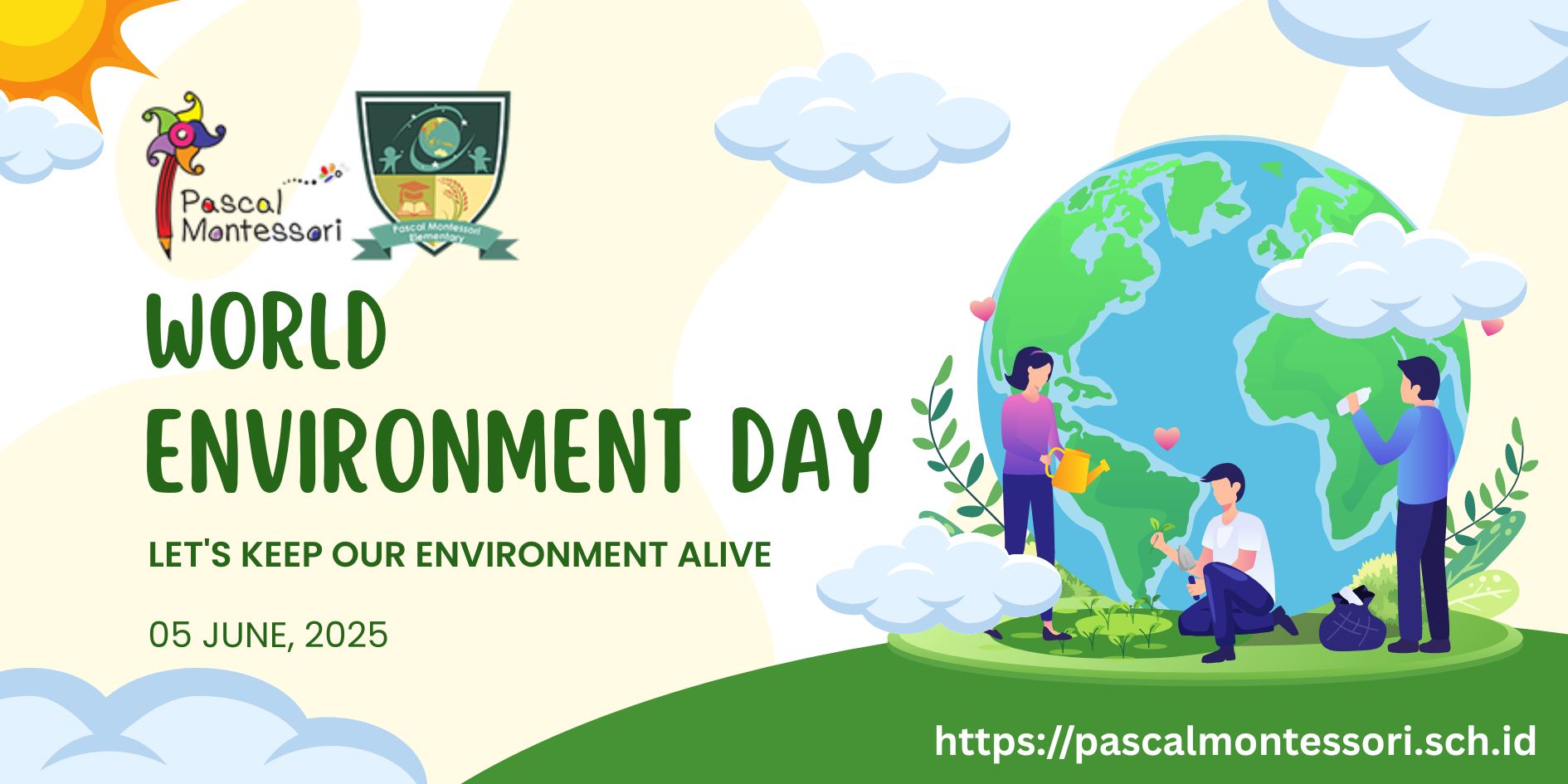
June 5, 2025: The world unites to celebrate World Environment Day, a powerful call to protect our precious planet. At Pascal Montessori, we believe the seeds of environmental stewardship are sown early. How can young children become genuine agents of change? The answer lies not just in lessons, but in transformative, hands-on experiences that cultivate a deep-rooted love for the Earth – experiences woven into the very fabric of our daily learning.
Nurturing Little Guardians: Beyond Awareness, Towards Action
World Environment Day reminds us of our collective responsibility. At Pascal Montessori, we see this responsibility as an incredible opportunity to empower our youngest citizens. We move beyond simply raising awareness; we engage children in meaningful, concrete actions that demonstrate their capacity to care for their environment. Our approach leverages the core strengths of Montessori education to foster genuine ecological consciousness.
Planting Seeds of Change: Practical Life in Action
The Montessori Practical Life area is where responsibility and care blossom. For us, it’s the perfect launchpad for environmental action:
- Our Thriving School Garden (Urban Farming in Miniature): Children aren’t just learning about plants; they are active farmers. They prepare the soil, plant seeds (vegetables, herbs, flowers), water diligently, and observe the miraculous journey from seed to sprout to harvest. This hands-on process teaches profound lessons about food sources, the needs of living things, patience, and the rewards of nurturing life. Tasting a tomato they grew themselves is an unmatched lesson in connection to the Earth.
- Compost Champions: Witnessing the cycle of life continues with our classroom composters. Children learn to sort food scraps (apple cores, banana peels) and garden waste. They add them to the composter, observe decomposition over time, and eventually use the rich, dark compost to nourish their garden beds. This tangible experience demystifies waste, showcasing how “trash” transforms into valuable nutrients – a powerful lesson in resource cycles and reducing landfill waste.
Sensing the Environment: Learning Through Touch and Discovery
Montessori sensorial education sharpens observation and classification skills – essential tools for understanding the environment:
- Waste Sorting Detectives: Children engage in hands-on sorting activities using real (cleaned) waste items or representative objects. Through touch and sight, they learn to distinguish between organic materials (like leaves, fruit scraps, paper towels) that break down naturally and non-organic materials (like plastic wrappers, foil, certain packaging) that persist. This sensory exploration builds the foundation for effective recycling and waste reduction habits. They become keenly aware of what goes into each bin.
Nature as the Ultimate Classroom
Learning extends beyond our walls:
- “Outdoor Classroom” Explorations: Regular time spent in nature – whether in a dedicated schoolyard habitat, a local park, or simply observing the sky and trees – is vital. Children collect fallen leaves, observe insects, feel different bark textures, listen to bird songs, and notice seasonal changes. This direct, sensorial connection to the natural world fosters awe, respect, and an innate desire to protect it. They aren’t just learning about nature; they are developing a relationship with it.
Bringing the Lessons Home: Partnering with Families
The spirit of World Environment Day, and our Montessori philosophy, extends to the home. We invite parents to join this vital journey:
- Start Small & Green: Create a tiny windowsill herb garden or plant easy vegetables in pots together. Let your child take ownership of watering and care.
- Become Home Waste Warriors: Set up simple, clearly labelled recycling and compost bins (even a small countertop compost pail). Involve your child in sorting scraps after meals. Discuss why you’re sorting.
- Embrace “Found Objects” for Creativity: Before tossing packaging, ask: “Could we build something with this?” Cardboard boxes, clean jars, and bottle caps become treasures for creative projects, reinforcing reuse.
- Take Sensory Nature Walks: Go for walks focused on observation. Collect different leaves, feel various rocks, listen for specific sounds. Talk about what you see, smell, and hear.
Every Day is Earth Day at Pascal Montessori
World Environment Day on June 5th is a vital global spotlight. But at Pascal Montessori, the principles of conservation, respect for nature, and empowered action are lived every single day. Through purposeful Practical Life work like gardening and composting, through sensorial exploration of waste, and through immersive experiences in nature, we nurture capable, confident young children who understand their role as caretakers of the Earth. They see firsthand that their actions, however small, make a real difference. By connecting classroom learning to tangible action, we cultivate not just awareness, but a generation of passionate little guardians ready to protect their planet.

Comments are closed