Imaginative Play: Is It Forbidden in Montessori?

Imaginative Play: Is It Forbidden in Montessori?

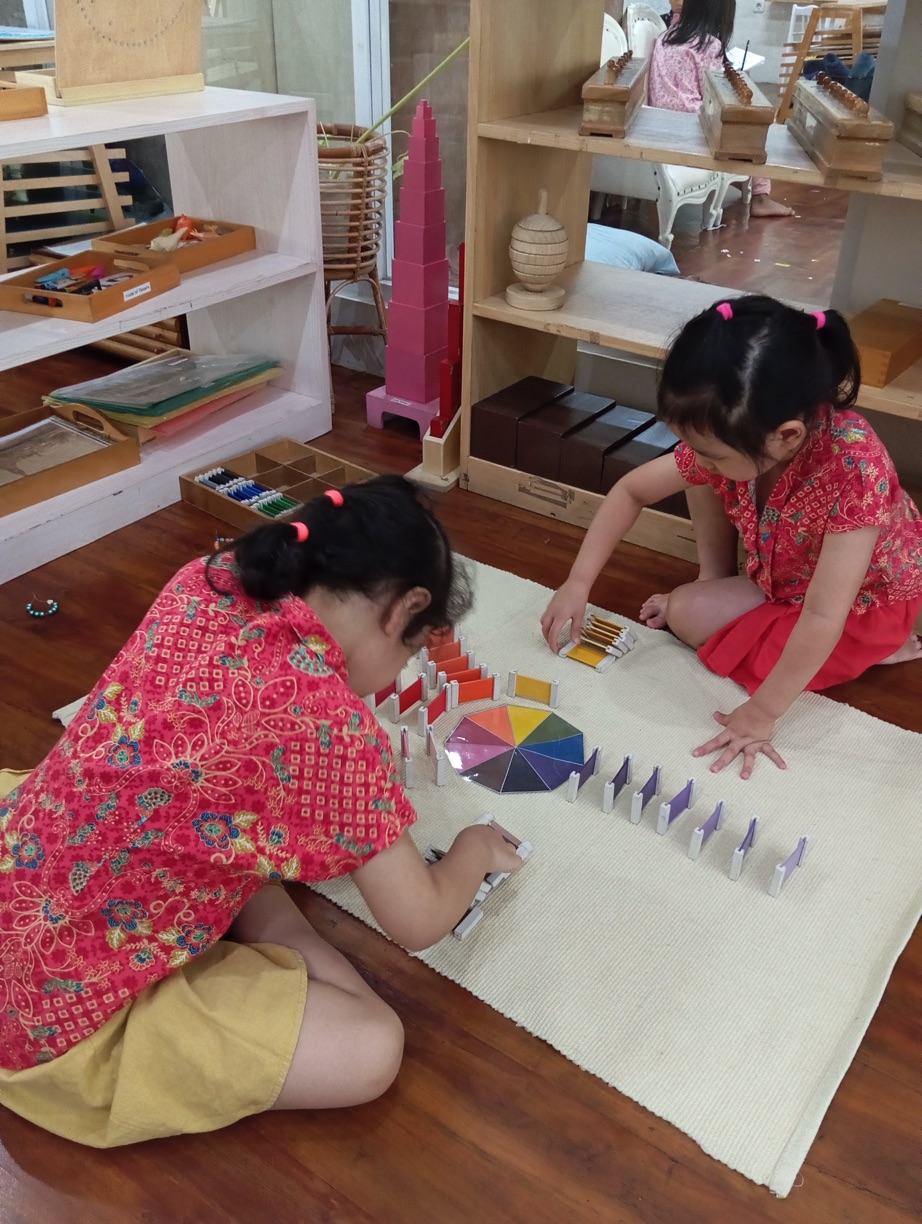
A common misconception about Montessori education is that it stifles imaginative play, favoring structured tasks over fantasy. In reality, the Montessori philosophy, developed by Dr. Maria Montessori, embraces imagination as a vital part of child development but approaches it in a unique, reality-based way. At Pascal

Read More
Social Interaction Through Collaborative Play

Social Interaction Through Collaborative Play

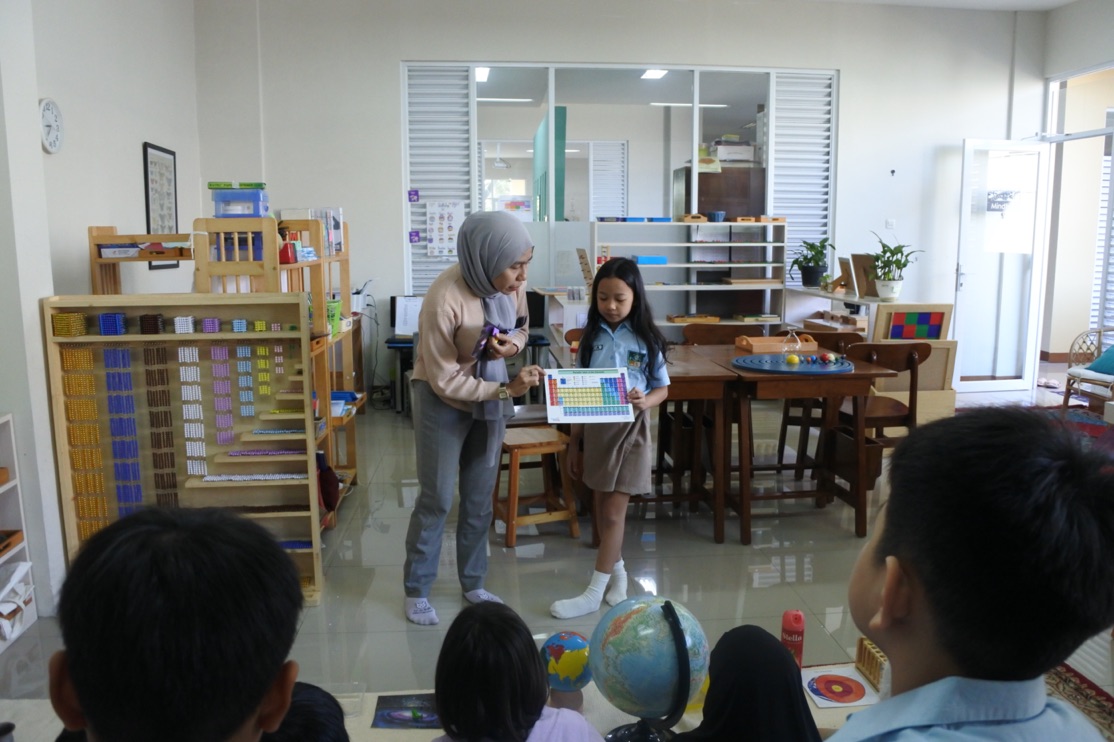
Social interaction is a vital component of child development, shaping how children form relationships, communicate, and contribute to their communities. In the Montessori philosophy, collaborative play is a powerful tool for fostering these skills, allowing children to learn respect, cooperation, and empathy through shared experiences. At

Read More
Mistakes Are the Best Teacher

Mistakes Are the Best Teacher

In traditional education, mistakes are often met with correction or penalties, fostering fear of failure. In the Montessori philosophy, however, mistakes are celebrated as essential teachers, guiding children toward growth and understanding. At Pascal Montessori School, error control is a deliberate practice, designed to empower children

Read More
Emotional Intelligence in the Montessori Environment

Emotional Intelligence in the Montessori Environment

Emotional intelligence—the ability to understand, express, and manage emotions—is a critical skill for navigating relationships and personal growth. In the Montessori philosophy, emotional intelligence is nurtured as an integral part of holistic development, alongside cognitive and physical skills. At Pascal Montessori School, the classroom environment is

Read More
Concentration Exercises: Through the Right Toys

Concentration Exercises: Through the Right Toys

Concentration is a foundational skill for learning, enabling children to engage deeply with tasks, process information, and develop problem-solving abilities. In the Montessori philosophy, concentration is not forced through directives but cultivated through engaging, purposeful activities. At Pascal Montessori School, carefully selected materials—often referred to as

Read More
Why Is Independence Important from an Early Age?

Why Is Independence Important from an Early Age?

Independence is a cornerstone of the Montessori philosophy, viewed not as a luxury but as a fundamental need for a child’s growth. At Pascal Montessori School, fostering independence from an early age is a deliberate practice, rooted in Dr. Maria Montessori’s belief that children thrive when

Read More
Everyday Chores Are Learning Opportunities

Everyday Chores Are Learning Opportunities

In Montessori parenting, the role of the parent is redefined from a traditional instructor to a facilitator of learning. This approach acknowledges that children are naturally curious and capable, and that the parent’s task is to create an environment where that curiosity can flourish. Montessori observed

Read More
Daily Montessori Rhythm: Structure Without Pressure

Daily Montessori Rhythm: Structure Without Pressure

In Montessori parenting, the role of the parent is redefined from a traditional instructor to a facilitator of learning. This approach acknowledges that children are naturally curious and capable, and that the parent’s task is to create an environment where that curiosity can flourish. Montessori observed

Read More
Follow the Child's Interest, Not Your Ambition

Follow the Child’s Interest, Not Your Ambition

In Montessori parenting, the role of the parent is redefined from a traditional instructor to a facilitator of learning. This approach acknowledges that children are naturally curious and capable, and that the parent’s task is to create an environment where that curiosity can flourish. Montessori observed

Read More
Observing Your Child: The Heart of Montessori Parenting

Observing Your Child: The Heart of Montessori Parenting

In Montessori parenting, the role of the parent is redefined from a traditional instructor to a facilitator of learning. This approach acknowledges that children are naturally curious and capable, and that the parent’s task is to create an environment where that curiosity can flourish. Montessori observed

Read More