
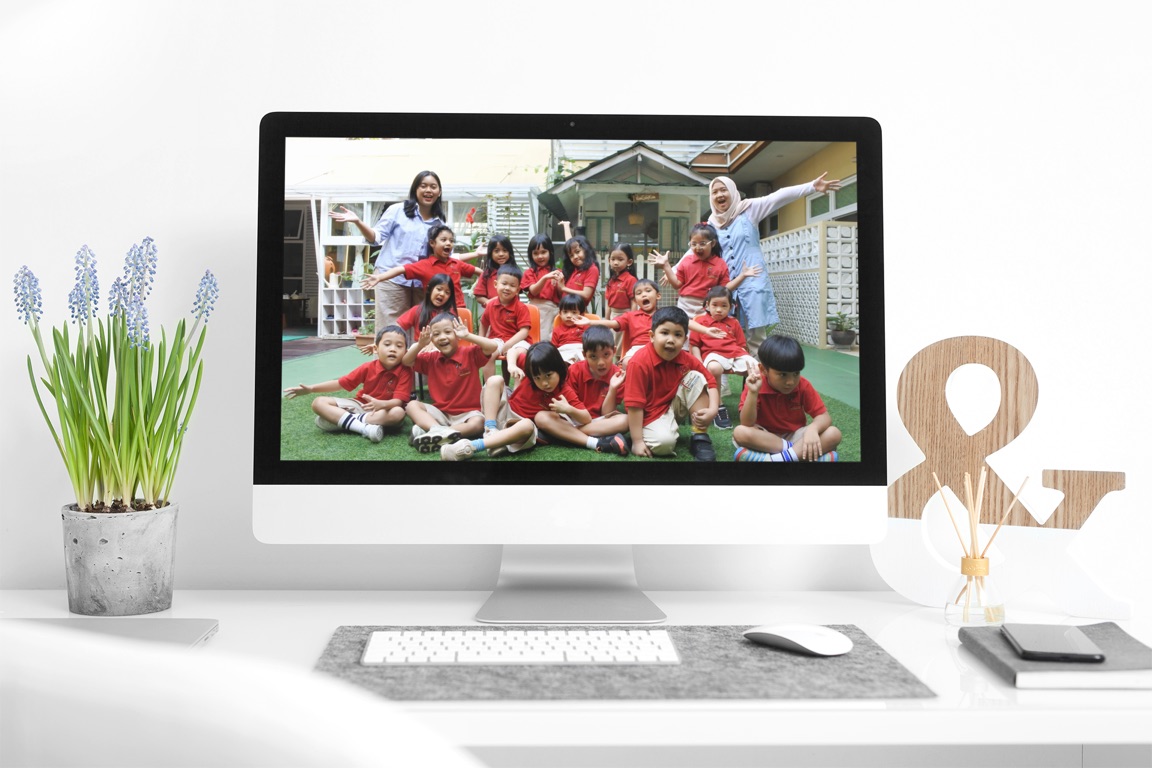
In a world that increasingly values emotional intelligence and interpersonal skills, the Montessori philosophy stands out for its emphasis on social-emotional development as a fundamental part of education. Montessori learning goes beyond academics to nurture children’s emotional well-being, self-awareness, and ability to build meaningful relationships. By creating a supportive environment that respects individuality and fosters collaboration, Montessori education lays a strong foundation for children to thrive socially and emotionally.
What is Social-Emotional Development?
Social-emotional development encompasses the skills and abilities needed to understand and manage emotions, build positive relationships, and make responsible decisions. These skills are essential for navigating the complexities of life, from resolving conflicts to working effectively with others. Montessori education integrates social-emotional learning seamlessly into daily activities, encouraging children to grow into empathetic and self-assured individuals.
How Montessori Education Supports Social-Emotional Development
- Fostering Self-Integrity Montessori classrooms prioritize self-awareness and self-regulation. Through self-directed learning, children discover their strengths and interests, building a sense of self-confidence and integrity. They learn to take responsibility for their choices and actions, which cultivates a strong internal moral compass.
- Encouraging Respect for Diversity Montessori environments celebrate diversity and individuality. Mixed-age classrooms expose children to peers with varied backgrounds, abilities, and perspectives, teaching them to appreciate and respect differences. Activities often include lessons on cultural awareness, empathy, and inclusivity, helping children develop a global mindset.
- Building Interpersonal Skills Collaborative activities are a hallmark of Montessori education. Whether working on group projects or engaging in peer teaching, children learn to communicate effectively, listen actively, and cooperate with others. These experiences teach them the value of teamwork and mutual respect.
- Teaching Conflict Resolution Conflict is a natural part of human interaction, and Montessori education equips children with the tools to handle it constructively. Guides model and teach conflict resolution techniques, encouraging children to express their feelings, understand others’ perspectives, and find peaceful solutions. These skills foster a harmonious classroom environment and prepare children for real-world challenges.
- Developing Emotional Intelligence Montessori classrooms emphasize understanding and managing emotions. Through reflective practices and discussions, children learn to identify their feelings and those of others. This emotional intelligence helps them navigate social situations with empathy and resilience.
The Role of the Montessori Guide in Social-Emotional Learning
In Montessori education, teachers, or guides, play a pivotal role in nurturing social-emotional development. They create a supportive atmosphere where children feel valued and respected. Guides observe children closely, offering gentle guidance when needed to help them navigate social interactions and emotional challenges. Their role is not to dictate but to facilitate growth, encouraging children to learn from their experiences.
Benefits of Social-Emotional Development in Montessori Learning
- Improved Relationships: Children develop strong communication and empathy skills, leading to healthier relationships with peers and adults.
- Increased Self-Confidence: By understanding their emotions and abilities, children gain confidence in themselves and their decisions.
- Better Academic and Life Outcomes: Emotional intelligence is linked to success in academics, careers, and personal life.
- Cultural Competence: Exposure to diverse perspectives fosters respect and understanding, essential traits in a globalized world.
Lifelong Impact of Social-Emotional Learning
Social-emotional development in Montessori education extends far beyond childhood. It equips children with the ability to manage stress, build meaningful connections, and adapt to new environments. These skills are crucial in adulthood, making Montessori-educated individuals well-prepared for life’s challenges and opportunities.
Why Pascal Montessori?
At Pascal Montessori, we believe that social-emotional development is the key to unlocking a child’s full potential. Our Montessori programs are designed to create a harmonious balance between emotional growth and academic achievement. By fostering empathy, integrity, and interpersonal skills, we prepare children to excel not only in school but in life.
Discover the difference at Pascal Montessori—where children learn to connect, grow, and thrive in a community that values emotional intelligence as much as academic success.

Ms. Afril
1. Bachelor of Japanese Language Education
2. Teaching since June 01, 2015
Comments are closed